What Nobody Tells You About Casino House Edges
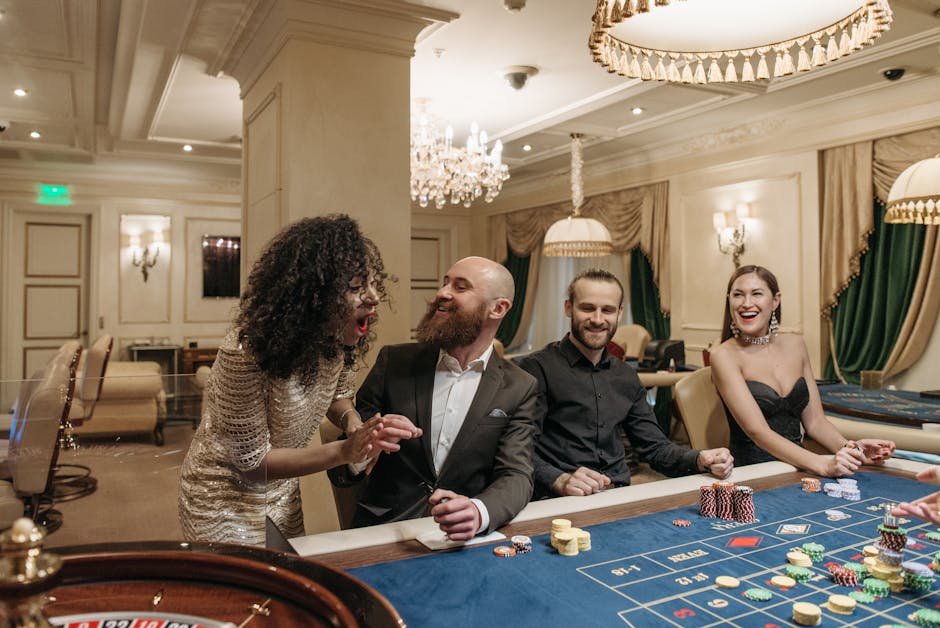
Most people walk into a casino thinking the odds are just slightly against them. The truth? The house edge is baked into every single game, and it’s way more aggressive than players realize. We’re talking about a mathematical advantage that compounds over time, turning casual sessions into predictable losses. Understanding how this works isn’t pessimistic—it’s the only way to gamble responsibly and keep your bankroll intact longer.
The casino doesn’t need luck to win. They’ve got math on their side, and they’re playing thousands of hands while you’re playing dozens. This article breaks down what casinos don’t advertise and what seasoned players actually know about the industry.
The House Edge Isn’t a Secret—It’s the Business Model
Every game in a casino has an RTP (return to player) percentage. Slot machines typically range from 92% to 97%, which sounds decent until you flip it around—that’s a 3–8% house edge. Blackjack sits around 0.5% if you play basic strategy perfectly. Roulette? European wheels have a 2.7% edge, American wheels jump to 5.26% because of that double zero.
Here’s what matters: that edge doesn’t disappear after one session. It’s cumulative. Spin 1,000 slots and you’ll lose roughly 3–8% of your total wagered amount. The casino knows this, plans for it, and their entire operation depends on it. They’re not worried about one big winner—they’re counting on thousands of players losing small amounts over time.
Bonuses Come With Serious Strings Attached
Welcome bonuses look incredible on the surface. Match your deposit 100%, get free spins, no deposit needed—these offers pull players in for a reason. But casinos attach wagering requirements that most players don’t read carefully enough. A 30x wagering requirement means you need to bet $3,000 to clear a $100 bonus. Even then, only specific games count toward the requirement.
Slot machines might contribute 100%, but table games often count 25% or less. Some games don’t count at all. This is how casinos turn a “free” bonus into a marketing expense that still favors them. You’re more likely to lose your own money while chasing the bonus than actually cash it out. Platforms such as كازينو اون لاين provide great opportunities to explore different bonus structures, but reading the fine print is non-negotiable.
Variance Makes Winning Feel Real—Until It Doesn’t
Winning streaks happen. You might sit down at a blackjack table and win five hands in a row. That rush of beating the dealer feels incredible and makes you think you’ve got the system figured out. That’s variance, and it’s one of casino gaming’s biggest psychological hooks.
Variance is the short-term deviation from the expected house edge. Over 100 hands, you might be up. Over 10,000 hands, you’ll almost certainly be down by that house edge percentage. Casinos bet on players not playing long enough to see the math win. They’re betting on you leaving after a lucky streak, feeling good, and coming back for more. That’s where the real edge lives.
- Short sessions can produce winners—variance works both ways temporarily
- Extended play guarantees the house edge materializes into losses
- Emotional decisions after wins or losses cost more money than poor odds do
- Progressive jackpots look enticing but are funded by losing players
- Time spent playing directly correlates with money lost to the house edge
VIP Programs Lock You In Better Than Any Contract
High-rollers get comps, priority support, and special bonuses. Sounds exclusive. What’s really happening is the casino is tracking exactly how much you lose and calculating how much they can afford to give back while still keeping your money. That suite upgrade, that free dinner, that cashback—it’s all factored into their profit margin.
VIP tiers create a psychological lock. The closer you get to the next tier, the more you play to maintain status. Casinos have converted casual players into daily grinders by making them feel valued. The rewards are real, but they’re small relative to total losses. You’re being incentivized to lose more money in exchange for perks worth a fraction of your losses.
Live Dealer Games Feel Fair—And That’s the Point
Watching a real dealer shuffle and deal cards creates the illusion of transparency. You’re seeing the action with your own eyes, so it must be fair, right? That feeling is exactly why casinos invested in live dealer studios. The house edge doesn’t change—blackjack still has 0.5%, roulette still has 2.7%—but you feel more confident because you can see it happening.
The real advantage of live dealers is speed and immersion. You’ll make decisions faster, play more hands per session, and encounter the house edge more frequently. Some players also trust it more than RNG games, which means they bet bigger. Either way, the math stays the same. The dealer isn’t your friend, and you’re not playing against them—you’re playing against probability.
FAQ
Q: Can you beat the house edge with perfect strategy?
A: Not in most games. Blackjack comes closest with a 0.5% edge if you follow basic strategy perfectly. Everything else—slots, roulette, craps—has a fixed edge you can’t overcome. The house edge is mathematical, not a suggestion.
Q: Do online casinos have higher house edges than land-based ones?
A: Not necessarily. Both legitimate online platforms and physical casinos use the same RTP percentages. The difference is overhead costs—online casinos have lower expenses, so some actually offer better RTPs to compete. Always check the specific game percentages wherever you play.
Q: Is there a best time to play slots?
A: No. Slots are purely random. Time